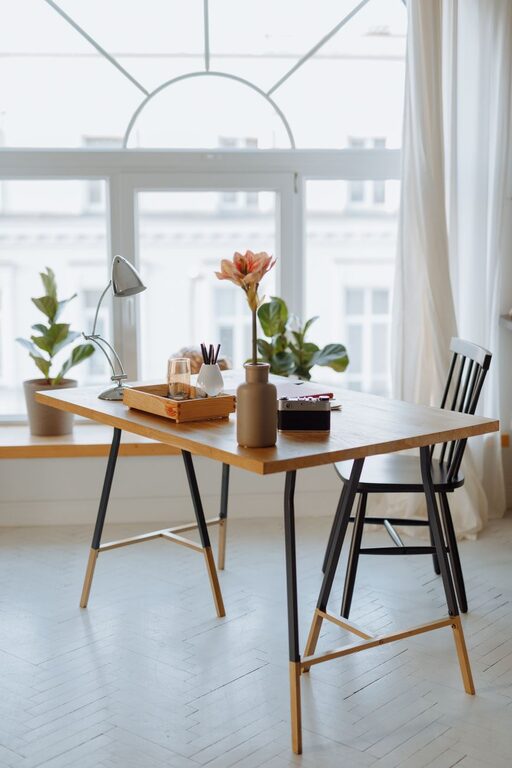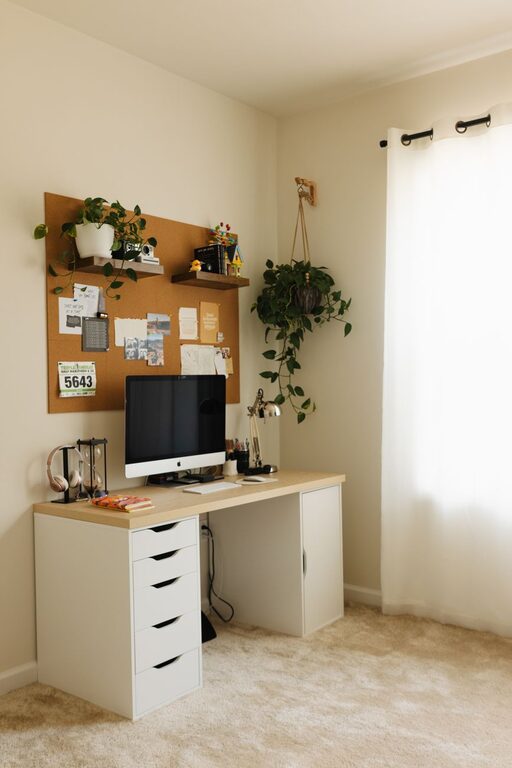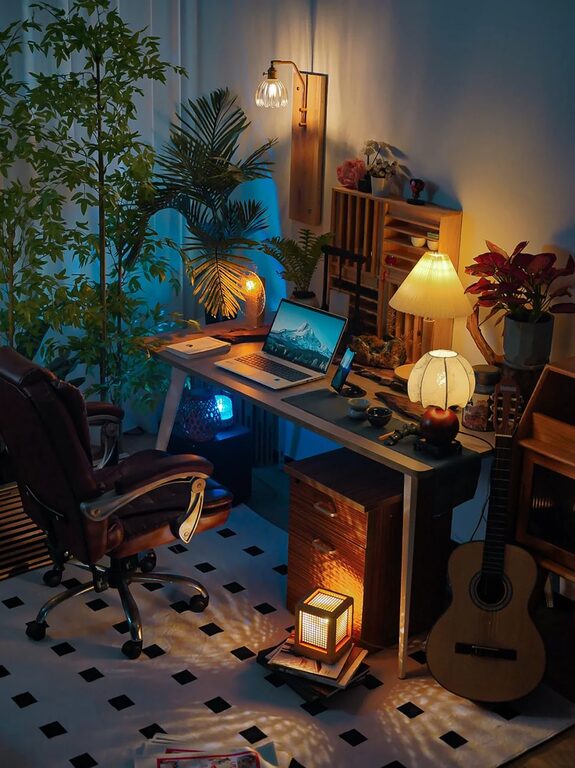

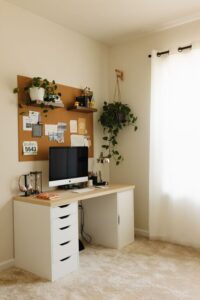


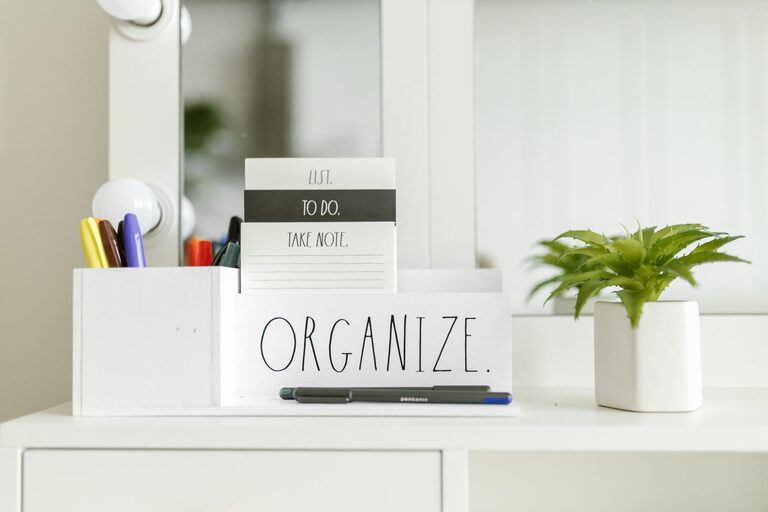
Creating a productive home office space is essential for anyone working remotely or managing tasks from home. A well-organized workspace helps improve focus, reduce stress, and boost overall efficiency. Whether you have a dedicated room or just a small corner in your living space, the right setup can make a big difference. Here are some practical tips to help you organize a productive home office space.
1. Choose the Right Location
The first step in organizing your workspace is selecting an ideal spot.
– Natural Light: Whenever possible, pick a location with good natural light. Exposure to daylight can improve mood and energy.
– Low Traffic Area: Choose a quiet corner away from distractions such as TV noise or household traffic.
– Space Considerations: Ensure there is enough room for your desk, chair, and other necessary equipment.
Even a small dedicated nook can be effective if set up thoughtfully.
2. Invest in Ergonomic Furniture
Comfort plays a significant role in maintaining productivity throughout your workday.
– Office Chair: Choose a chair that supports proper posture with adjustable height and lumbar support.
– Desk Height: Your desk should allow your arms to rest comfortably when typing, with elbows at about 90 degrees.
– Accessories: Consider ergonomic accessories like keyboard trays or monitor stands to reduce strain.
An ergonomic setup prevents fatigue and helps maintain focus.
3. Declutter and Organize
A clutter-free environment supports clearer thinking.
– Minimal Essentials: Keep only items necessary for work on your desk.
– Storage Solutions: Use shelves, drawers, and filing cabinets to store supplies neatly.
– Cable Management: Use clips, sleeves, or ties to organize cords and prevent tangling.
Regularly reassessing and tidying your space can keep clutter from accumulating.
4. Personalize Without Overdoing It
Adding personal touches can make your office feel inviting and motivate you to work.
– Plants: Small indoor plants bring freshness and may improve air quality.
– Artwork: Display calming or inspiring artwork that suits your taste.
– Colors: Choose colors that promote concentration and calm, such as soft blues or greens.
Avoid excessive decoration that may distract you.
5. Optimize Lighting
Proper lighting reduces eye strain and helps maintain alertness.
– Layered Lighting: Combine natural light with task lighting like desk lamps.
– Adjustable Lamps: Use lamps with brightness or color temperature settings.
– Avoid Glare: Position your monitor and lights to reduce glare on screens.
Regularly cleaning your light fixtures can also help maintain brightness.
6. Set Up Technology Thoughtfully
Efficient technology setup saves time and frustration.
– Quality Equipment: Invest in a reliable computer, monitor, keyboard, and mouse.
– High-Speed Internet: Ensure a strong and stable internet connection.
– Backup Power: A surge protector or UPS can protect your devices in power outages.
– Organized Workspace: Keep devices and cables arranged for easy access and minimal clutter.
Keeping software updated and maintaining clear digital files also supports productivity.
7. Incorporate Organizational Tools
Organizational tools help manage tasks and workflow effectively.
– Calendars and Planners: Use planners or digital calendars to schedule work and breaks.
– Task Management Apps: Apps help prioritize and track progress on projects.
– Whiteboards or Corkboards: Visual reminders and notes can keep important tasks visible.
Using these tools consistently aids time management and focus.
8. Manage Noise and Distractions
Reducing interruptions is crucial for deep work.
– Noise-Canceling Headphones: Useful in noisy environments to block background sounds.
– White Noise Machines: Can mask distracting noises without being intrusive.
– Set Boundaries: Let others in the household know your working hours to minimize interruptions.
Taking short breaks can also help refresh your focus during the day.
9. Keep Your Space Flexible
A flexible workspace can adapt to different tasks and moods.
– Adjustable Desk: Consider a sit-stand desk to vary positions.
– Mobile Storage: Use rolling carts or drawers to move supplies as needed.
– Multi-Purpose Furniture: Use furniture that can serve more than one function, like a storage ottoman.
Flexibility helps maintain comfort and motivation over time.
10. Maintain a Routine and Clean Regularly
An organized space requires upkeep and routine.
– Daily Tidying: Spend a few minutes at the end of each day to clear your desk.
– Weekly Clean: Wipe surfaces and vacuum the area weekly to maintain cleanliness.
– Consistent Habits: Develop a routine for starting and ending your workday in your space.
Routine care fosters a workspace that invites productivity.
—
Organizing a productive home office space is about creating an environment that supports your work habits and comfort. By choosing the right location, investing in ergonomic furniture, and keeping your space tidy and personalized, you can build a home office that helps you focus and get more done. Remember, even small changes can make a big difference in your workday efficiency.