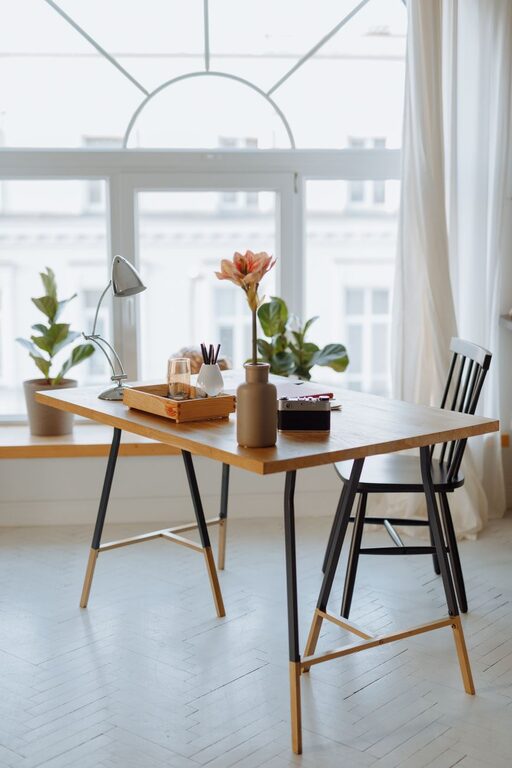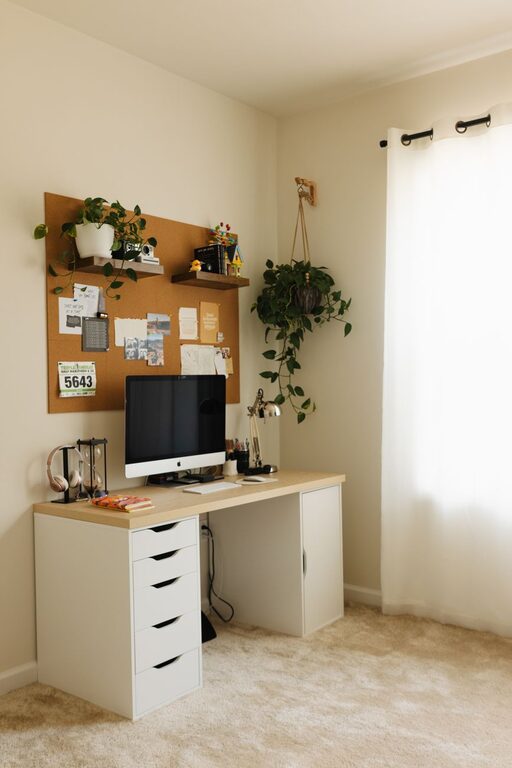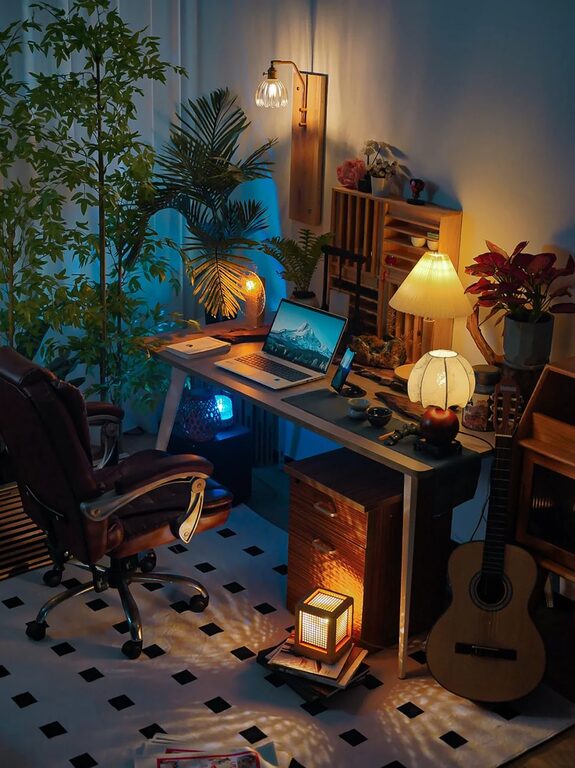

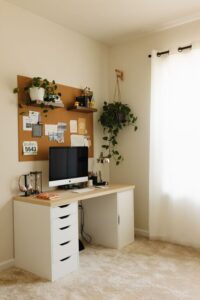
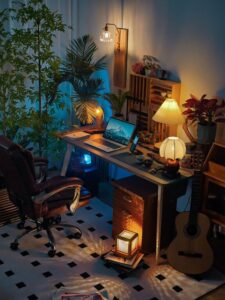
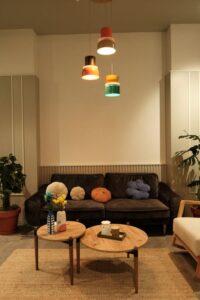
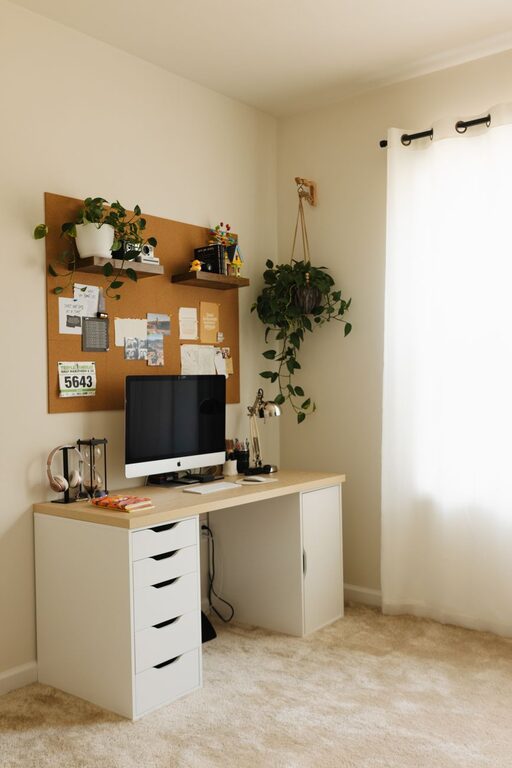
Creating a home office that is both cozy and productive can significantly improve your work-from-home experience. Whether you’re a full-time remote worker, a freelancer, or need a dedicated space for occasional tasks, designing a space that supports focus and comfort will help you maintain motivation and reduce stress.
In this guide, we’ll explore practical tips and ideas to transform any corner or room into a workspace that works for you.
1. Choose the Right Location
The first step is selecting an appropriate spot for your home office. Consider these factors:
– Natural Light: Position your workspace near a window if possible. Natural light can boost mood and energy.
– Quiet and Privacy: Find a place that minimizes distractions, away from noisy household activity.
– Space and Layout: Ensure there’s enough room for your desk, chair, and any essential equipment.
Even a small nook can be turned into an effective workspace with the right setup.
2. Invest in an Ergonomic Chair and Desk
Comfort is key to productivity, especially if you spend long hours seated.
– Ergonomic Chair: Choose a chair that supports your back with adjustable height and lumbar support.
– Desk Height: Use a desk at a height that allows your forearms to be parallel to the floor.
– Standing Options: Consider a sit-stand desk or a desk converter to switch positions during the day.
A comfortable setup helps reduce strain and keeps you focused longer.
3. Keep It Organized
A cluttered space can lead to a cluttered mind. To stay organized:
– Storage Solutions: Use shelves, drawers, or filing cabinets to keep documents and supplies neatly stored.
– Desk Accessories: Utilize trays, pen holders, and cable organizers to keep your workspace tidy.
– Digital Organization: Maintain a clean desktop on your computer and back up important files regularly.
Set aside time weekly to tidy your space to maintain productivity.
4. Optimize Lighting
Proper lighting reduces eye strain and creates a welcoming atmosphere.
– Natural Light First: Maximize daylight exposure during working hours.
– Task Lighting: Use a desk lamp with adjustable brightness for detailed work.
– Ambient Lighting: Soft, warm lighting is inviting and helps reduce harsh shadows.
Avoid glare on screens and experiment with different light sources to find what works best.
5. Personalize Your Space
Adding personal touches can make your office feel more inviting and boost morale.
– Decor: Choose artwork, plants, or photos that inspire you.
– Colors: Pick calming or motivating colors that fit your taste—soft blues and greens are popular for focus.
– Comfort Items: A cozy blanket or cushions can make your workspace more appealing.
The goal is to create a space you look forward to using each day.
6. Manage Technology Efficiently
Technology is essential but can sometimes create distractions.
– Reliable Equipment: Invest in a good computer, headphones, and high-speed internet.
– Cable Management: Keep cords neatly bundled to prevent clutter.
– Minimize Interruptions: Use notifications wisely or switch devices to “Do Not Disturb” mode during deep work.
Tech that works smoothly supports productivity rather than hindering it.
7. Incorporate Plants and Greenery
Adding plants is a simple way to enhance your workspace.
– Air Quality: Plants help improve air quality and reduce stress.
– Visual Appeal: Greenery adds life and color to your office.
– Easy Care: Select low-maintenance plants like succulents, pothos, or snake plants.
Even a small planter can make a noticeable difference.
8. Set Boundaries and Routines
Creating physical and mental boundaries helps maintain work-life balance.
– Defined Work Hours: Set specific start and end times for your workday.
– Clear Workspace: Avoid using your office space for non-work activities whenever possible.
– Breaks: Take regular breaks to stretch or step outside to recharge.
Consistency in routine helps your brain associate the space with focused work.
9. Add Sound Control
Noise control is important for maintaining concentration.
– Noise-Canceling Headphones: Great for blocking external distractions.
– Soft Furnishings: Rugs, curtains, and cushions absorb sound.
– White Noise: A fan or white noise machine can mask sudden sounds.
A quiet environment helps you stay in the zone.
10. Keep Refreshments Handy
Staying hydrated and nourished supports sustained productivity.
– Water: Keep a water bottle or glass nearby.
– Healthy Snacks: Have nuts, fruits, or other healthy options easily accessible.
– Coffee Station: If you enjoy coffee or tea, creating a small station can be both comforting and efficient.
Having refreshments on hand prevents unnecessary breaks that disrupt workflow.
—
Designing a cozy and productive home office is about balancing comfort with function. You don’t have to create a perfect space all at once—start small, and gradually add elements that improve your experience. With a thoughtful setup, you can enjoy every minute of your workday at home.