
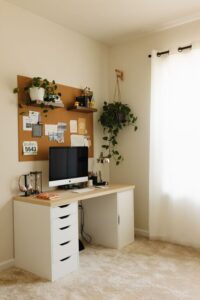


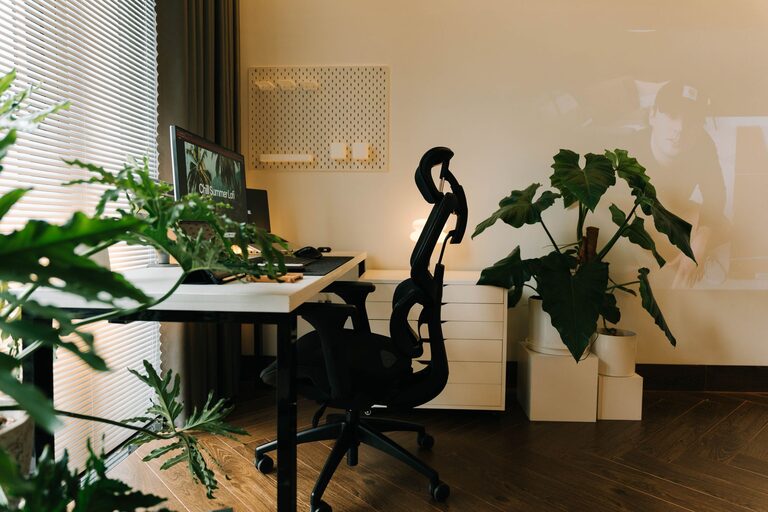
Creating a home workspace that balances comfort with productivity can greatly enhance your work or study experience. Whether you’re working remotely, freelancing, or learning from home, having a dedicated area that feels inviting and helps you stay focused is essential. In this post, we’ll explore practical tips for designing a cozy and productive workspace that suits your needs.
Why a Cozy Workspace Matters
Your environment can affect how productive and comfortable you feel throughout the day. When your workspace feels cozy and personalized, you’re more likely to enjoy the time you spend there and maintain motivation. Comfort doesn’t mean sacrificing efficiency—in fact, comfort can improve your focus and reduce stress, which naturally leads to higher productivity.
Choosing the Right Location
Find a Quiet Spot
Start by selecting a location with minimal distractions. Ideally, choose a quiet corner or room that stays separate from high-traffic areas of your home. This separation helps create a psychological boundary between work time and personal time.
Natural Light Is Key
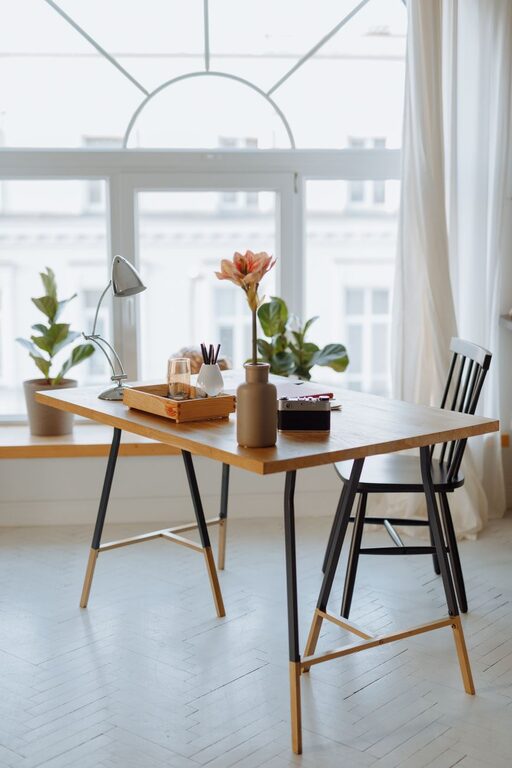
Try to position your workspace near a window. Natural light helps regulate your mood and energy, reducing eye strain and fatigue. If natural light is limited, invest in soft, adjustable lighting that mimics daylight.
Setting Up Your Desk and Chair
Ergonomic Considerations
Comfort starts with good ergonomics. Use a desk and chair that support good posture to avoid discomfort or injury during long work sessions. Your chair should support your lower back, and your desk height should allow your arms to rest comfortably at a 90-degree angle.
Keep It Organized
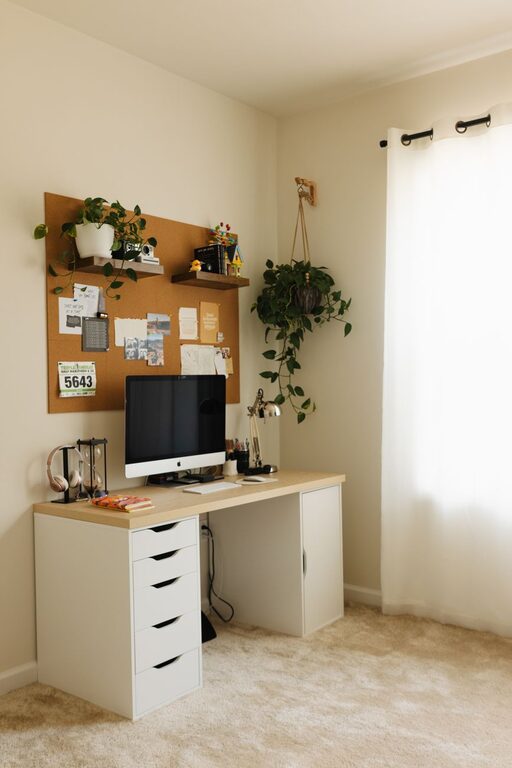
A clutter-free desk promotes focus. Keep only essential items on your surface and store other supplies in drawers or organizers. Consider desk accessories like cable organizers and trays to keep everything neat.
Adding Cozy Elements
Soft Textiles
Incorporate textiles such as a plush throw blanket or a comfortable cushion for your chair. These small additions make your space feel warmer and inviting.
Personal Touches
Add personal items like photos, small plants, or artwork that inspire and relax you. These help the space feel like your own without becoming distracting.
Scent and Sound
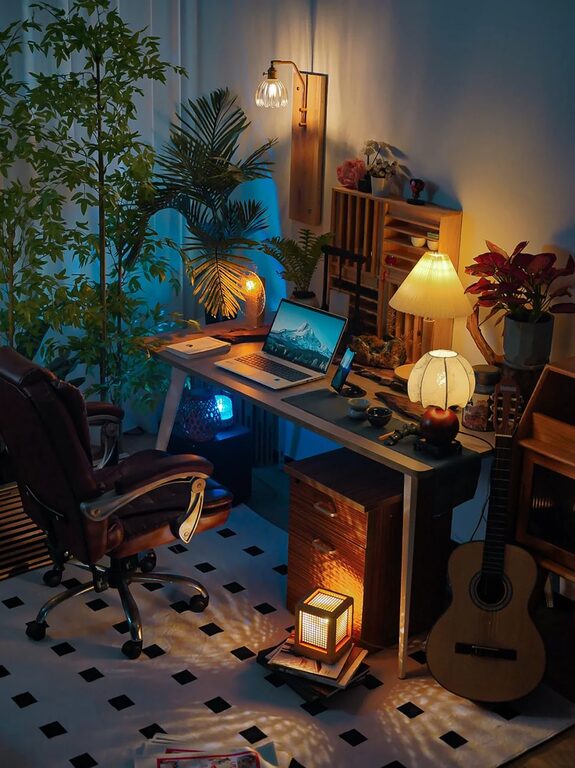
A subtle scented candle or essential oil diffuser can enhance comfort with calming aromas like lavender or citrus. Background music or white noise machines can also create a pleasant atmosphere that boosts focus.
Optimizing for Productivity
Set Clear Boundaries
If possible, use your workspace strictly for work or study. This helps your brain associate the area with focus, making it easier to get into the right mindset.
Use Productivity Tools
Consider planners, calendars, or apps that help you organize tasks and track progress. A visible calendar or to-do list in your workspace keeps goals in sight and encourages steady progress.
Take Breaks and Move
No workspace setup is complete without planning for breaks. Arrange your space so that you can stand, stretch, or walk around easily. Movement refreshes your mind and body, sustaining productivity throughout the day.
Keeping Technology in Check
Efficient Equipment
Invest in reliable technology: a good monitor, keyboard, and mouse can reduce physical strain and improve workflow. Wireless devices help minimize clutter from cables.
Manage Screen Time
Position your monitor to reduce glare and keep it at eye level to avoid neck strain. Use software features like blue light filters to protect your eyes during long hours.
Maintaining Your Workspace
Daily Tidy-Up
Spend a few minutes at the end of each day putting things back in place. This routine keeps your space welcoming and ready for the next session.
Periodic Refresh
Regularly review your setup to identify what works and what could be improved. Adding new décor, swapping out worn items, or reorganizing can keep your workspace fresh and motivating.
Conclusion
Creating a cozy and productive home workspace is about finding the right balance between comfort and focus. By choosing an ideal location, investing in ergonomic furniture, adding personal touches, and organizing your tools effectively, you can craft a space that supports both your well-being and your work goals. Remember to keep your setup flexible and adjust it as your needs change, ensuring your home workspace remains a place where you can thrive.