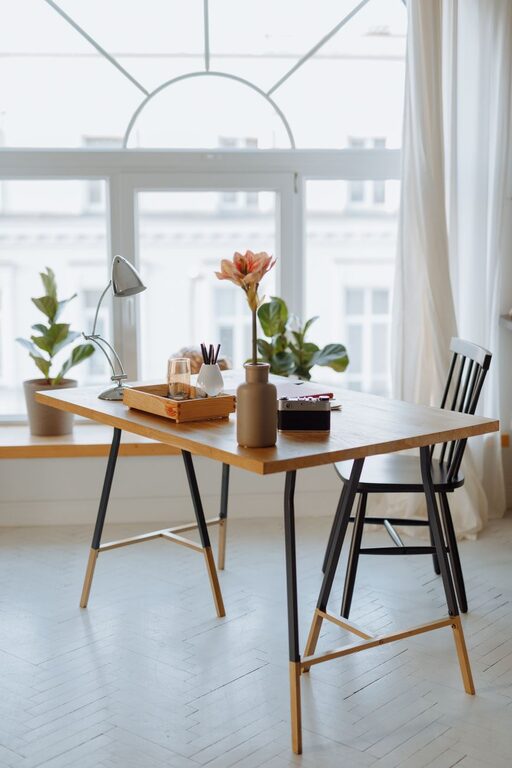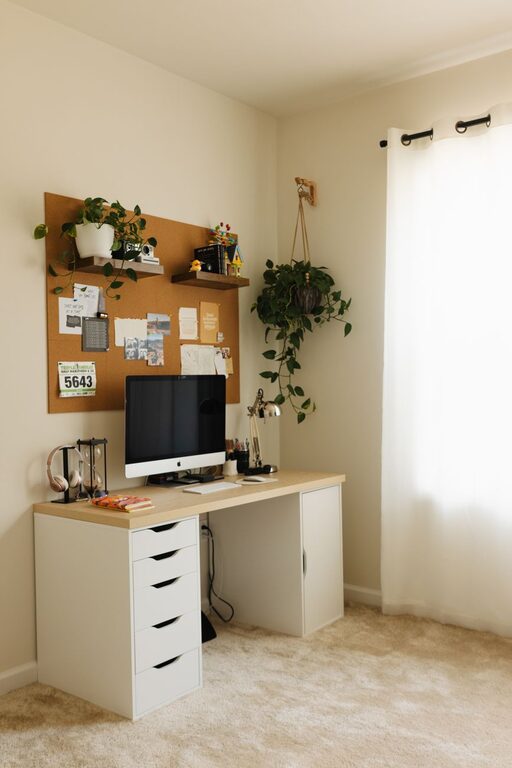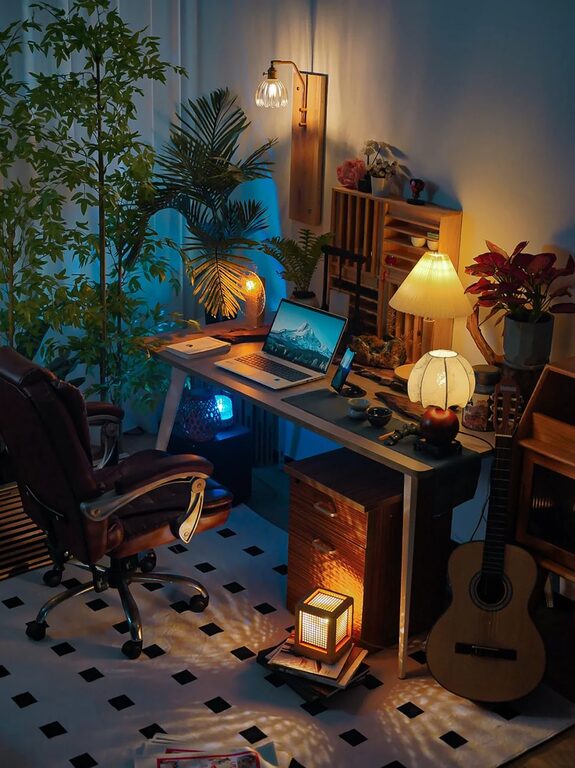
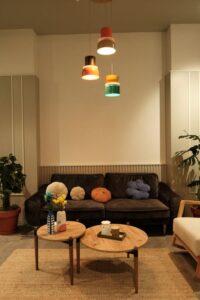
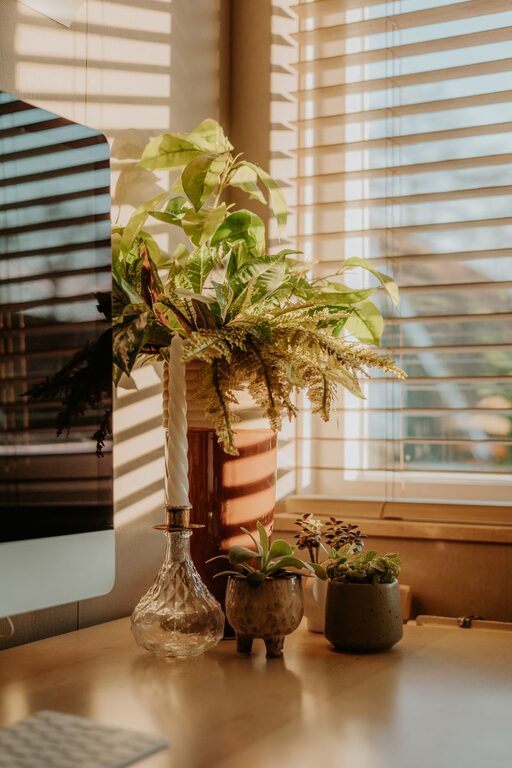
Creating a relaxing home office environment is essential for maintaining productivity and managing stress, especially as more people work remotely. A well-designed space can help you focus better, reduce distractions, and make your workday more enjoyable. Whether you have a dedicated room or a small corner, applying a few thoughtful tips can transform your workspace into a calming retreat. Here’s a comprehensive guide to help you create a home office that feels both inviting and efficient.
Choose the Right Location
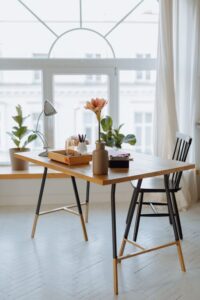
The first step in setting up your home office is selecting the best spot. Ideally, pick a quiet area with minimal foot traffic to reduce interruptions. If possible, find a place with natural light, as sunlight can boost mood and energy levels. Avoid locations near busy streets or noisy appliances.
Consider These Location Tips:
– Use a spare room or a section of your bedroom.
– Position your desk near a window to take advantage of natural light.
– If noise is a problem, consider noise-cancelling headphones or a white noise machine.
Invest in Comfortable Furniture
Comfort plays a huge role in how relaxed you feel while working. An ergonomic chair that supports your back and encourages good posture can prevent discomfort and fatigue. Pair this with a desk at the right height to reduce strain on your shoulders and wrists.
Furniture Recommendations:
– Ergonomic chair with adjustable height and lumbar support.
– Desk with enough surface area for your computer and workspace essentials.
– Footrest if your feet don’t comfortably reach the floor.
Optimize Lighting
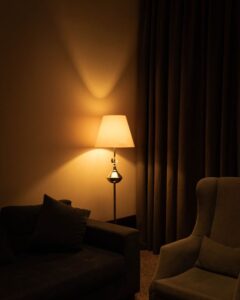
Lighting affects both your mood and eye comfort. Too harsh or dim lighting can cause headaches or eye strain. Use a combination of natural and artificial light to brighten your space effectively.
Lighting Tips:
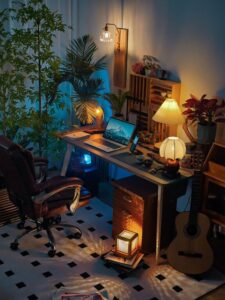
– Position task lighting such as desk lamps with adjustable brightness.
– Use soft, warm light bulbs to create a soothing atmosphere.
– Minimize glare by adjusting your computer screen and window blinds.
Incorporate Calming Colors
The colors in your home office can influence how relaxed or energized you feel. Soft, neutral tones, like light blues, greens, or beiges, tend to evoke calmness. Avoid overly bright or bold colors that can be distracting or overstimulating.
Color Ideas:
– Pale blue walls to boost focus and relaxation.
– Green accents to reduce eye strain and bring a touch of nature indoors.
– Neutral-colored furniture to maintain a clean and balanced look.
Declutter and Organize
A cluttered workspace can increase stress and reduce productivity. Keeping your desk and surroundings organized allows your mind to focus on work instead of distractions.
Organization Tips:
– Use trays, bins, or drawer organizers to keep small items in place.
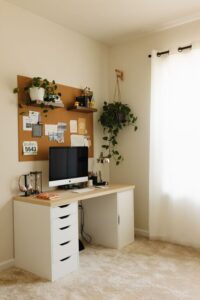
– Keep only essential items on your desk surface.
– Regularly tidy up your space at the end of each day.
Add Natural Elements
Incorporating elements from nature can enhance your mood and reduce stress levels. Plants not only add color and life to your office but also improve air quality.
Suggestions for Natural Elements:
– Place a few easy-to-care-for plants like succulents or snake plants nearby.
– Use natural materials such as wood or stone for desk accessories.
– Consider adding a small water feature or nature-inspired artwork.
Set Up Technology Mindfully
Technology is essential for a home office but can also be a source of distraction and clutter. Organize cables and choose user-friendly devices to create a streamlined workspace.
Tech Tips:
– Use cable organizers to keep wires tidy.
– Choose wireless accessories where possible.
– Keep your computer and devices at eye level to maintain good posture.
Personalize Your Space
Personal touches can make your office feel inviting and motivate you to spend time there. However, it’s important to keep personalization balanced to avoid distractions.
Ideas for Personalization:
– Display photos or artwork that inspire you.
– Incorporate a favorite scent using candles or essential oil diffusers.
– Add comfortable cushions or a cozy rug.
Maintain Air Quality and Ventilation
Good air circulation can keep you alert and comfortable. Open your windows regularly or use an air purifier to maintain fresh air.
Air Quality Tips:
– Position fans or air purifiers to circulate air efficiently.
– Keep your workspace clean and dust-free.
– Introduce aromatic plants like lavender or eucalyptus for a natural fresh scent.
Establish Boundaries and Routine
Creating a relaxing home office also includes how you use the space. Set clear boundaries between work and personal life by designating working hours and sticking to them. This routine helps your mind transition in and out of work mode.
Routine Ideas:
– Start each day with a short planning session.
– Take regular breaks to stretch or walk around.
– End the day by tidying your desk to signal work is over.
Conclusion
Designing a relaxing home office environment does not require a complete overhaul or expensive purchases. By thoughtfully choosing your location, furniture, colors, and lighting, combined with good organization and personal touches, you can create a space that supports both comfort and productivity. Prioritize a calm and inviting atmosphere that allows you to focus and feel relaxed throughout your workday, making remote work more enjoyable and effective.